Top Roofing Tips for Maryland Homeowners
When it comes to maintaining your home, the roof is one of the most critical components. A well-maintained roof protects your home from the elements, enhances curb appeal, and can even improve energy efficiency. For homeowners in Maryland, understanding the unique challenges posed by the local climate is essential. This guide provides practical roofing tips tailored specifically for Maryland residents.
Understanding Maryland's Climate
Maryland experiences a diverse climate, with hot summers and cold winters. This variability can take a toll on roofing materials. Here are some key climate considerations:
Humidity: Maryland's humid summers can lead to mold and mildew growth on roofs. Regular inspections and maintenance are crucial.
Snow and Ice: Winters can bring heavy snowfall and ice accumulation, which can stress roofing materials. Proper insulation and ventilation can help mitigate these issues.
Rainfall: Maryland receives a fair amount of rainfall, making it essential to ensure that gutters and downspouts are functioning correctly to prevent water damage.
Choosing the Right Roofing Material
Selecting the right roofing material is vital for durability and performance. Here are some popular options for Maryland homeowners:
Asphalt Shingles
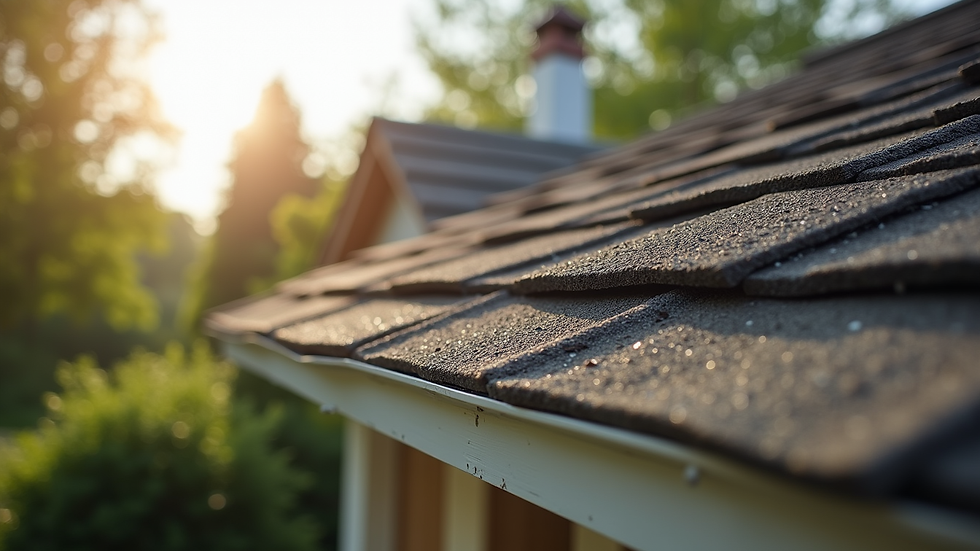
Asphalt shingles are the most common roofing material in Maryland due to their affordability and ease of installation. They come in various colors and styles, allowing homeowners to customize their roofs.
Metal Roofing
Metal roofs are gaining popularity for their longevity and energy efficiency. They can withstand harsh weather conditions and are resistant to mold and mildew. Additionally, metal roofs can reflect sunlight, helping to keep homes cooler in the summer.
Slate and Tile
For those looking for a more upscale option, slate and tile roofs offer exceptional durability and aesthetic appeal. While they come with a higher price tag, their lifespan can exceed 50 years with proper maintenance.
Regular Roof Inspections
Conducting regular roof inspections is essential for identifying potential issues before they escalate. Here’s how to perform an effective inspection:
Visual Check: Look for missing or damaged shingles, rust spots on metal roofs, and signs of wear around chimneys and vents.
Gutter Inspection: Ensure gutters are clear of debris and functioning properly to prevent water buildup.
Interior Inspection: Check for water stains on ceilings and walls, which may indicate leaks.
Consider hiring a professional roofing contractor for a thorough inspection at least once a year.
Maintenance Tips for Longevity
Maintaining your roof can significantly extend its lifespan. Here are some practical maintenance tips:
Clean Gutters Regularly: Clogged gutters can lead to water damage. Clean them at least twice a year, especially in the fall.
Trim Overhanging Branches: Tree branches can scratch roofing materials and create debris buildup. Keep branches trimmed back to prevent damage.
Remove Moss and Algae: If you notice moss or algae growth, use a mixture of water and bleach to clean it off. This will help prevent deterioration of roofing materials.
Energy Efficiency Considerations
Improving your roof's energy efficiency can lead to significant savings on energy bills. Here are some strategies:
Insulation: Ensure your attic is properly insulated to prevent heat loss in winter and keep your home cool in summer.
Reflective Roofing: Consider installing reflective roofing materials that can help reduce heat absorption.
Ventilation: Proper ventilation in the attic can help regulate temperature and moisture levels, preventing damage to roofing materials.
When to Replace Your Roof
Knowing when to replace your roof is crucial for maintaining the integrity of your home. Here are some signs that it may be time for a replacement:
Age: Most roofs have a lifespan of 20-30 years. If your roof is approaching this age, consider a replacement.
Severe Damage: If you notice significant damage, such as large areas of missing shingles or extensive leaks, it may be more cost-effective to replace the roof rather than repair it.
Increased Energy Bills: If your energy bills are rising without explanation, it may indicate that your roof is no longer providing adequate insulation.
Hiring a Roofing Contractor
Choosing the right roofing contractor is essential for ensuring quality work. Here are some tips for finding a reputable contractor in Maryland:
Check Credentials: Ensure the contractor is licensed and insured. This protects you from liability in case of accidents.
Read Reviews: Look for online reviews and testimonials from previous clients to gauge the contractor's reputation.
Get Multiple Quotes: Obtain quotes from several contractors to compare pricing and services offered.
Conclusion
Maintaining your roof is essential for protecting your home and ensuring its longevity. By understanding Maryland's unique climate, choosing the right materials, and performing regular maintenance, you can keep your roof in excellent condition. Remember to conduct regular inspections, hire reputable contractors, and consider energy-efficient options to maximize your investment.
Taking these steps will not only enhance your home's value but also provide peace of mind knowing that your roof is ready to withstand whatever Mother Nature throws its way.
Comments